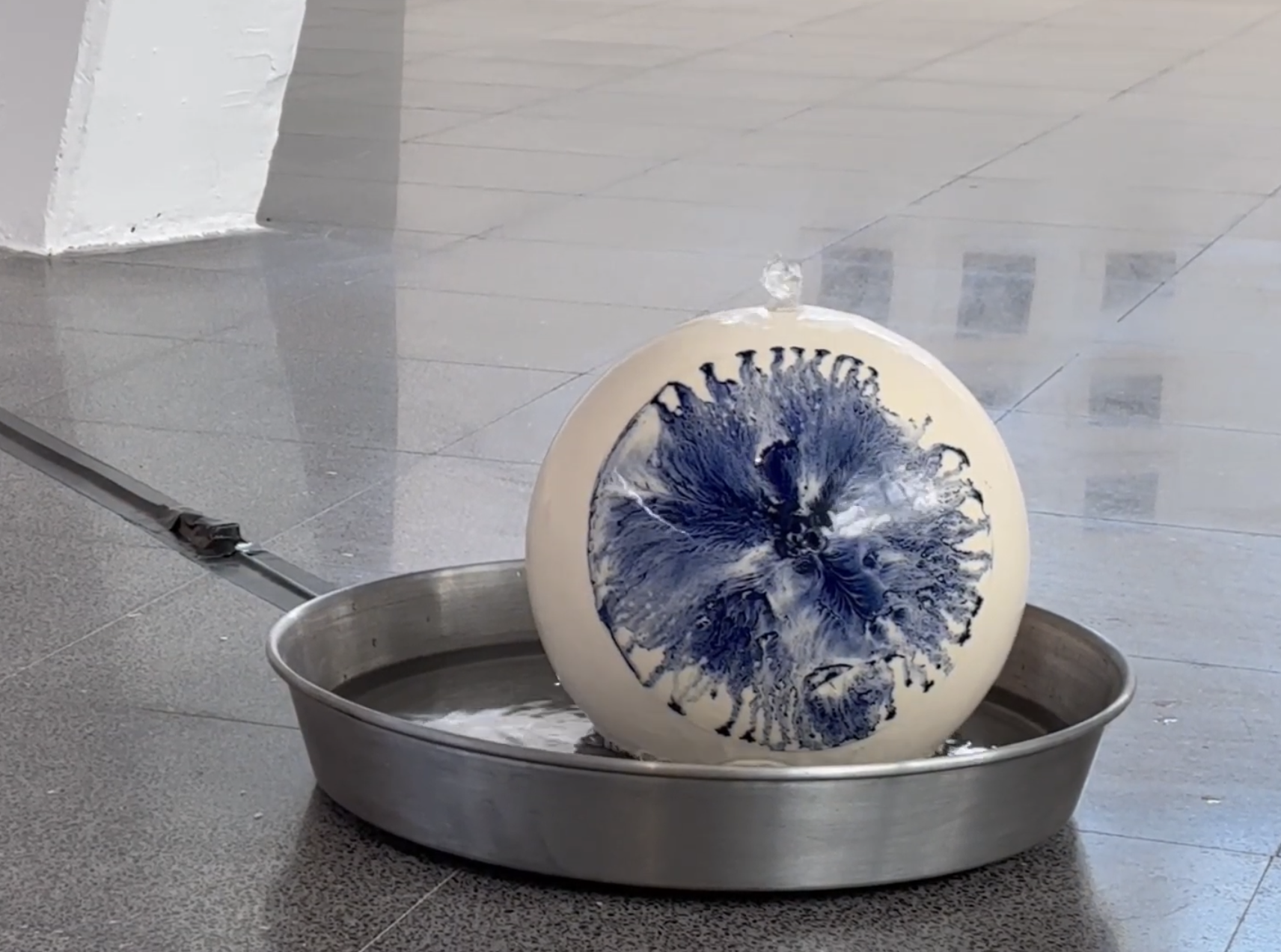
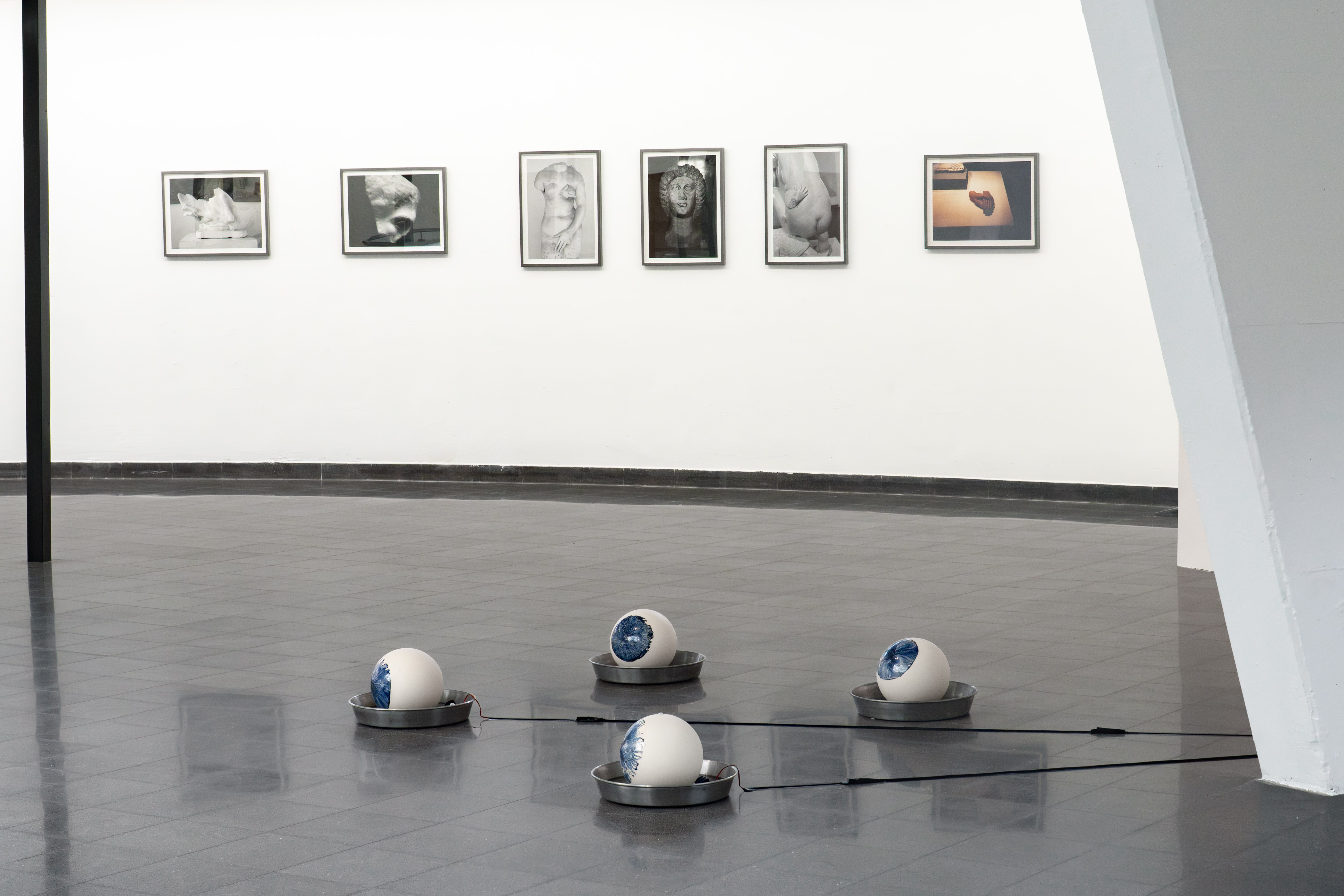


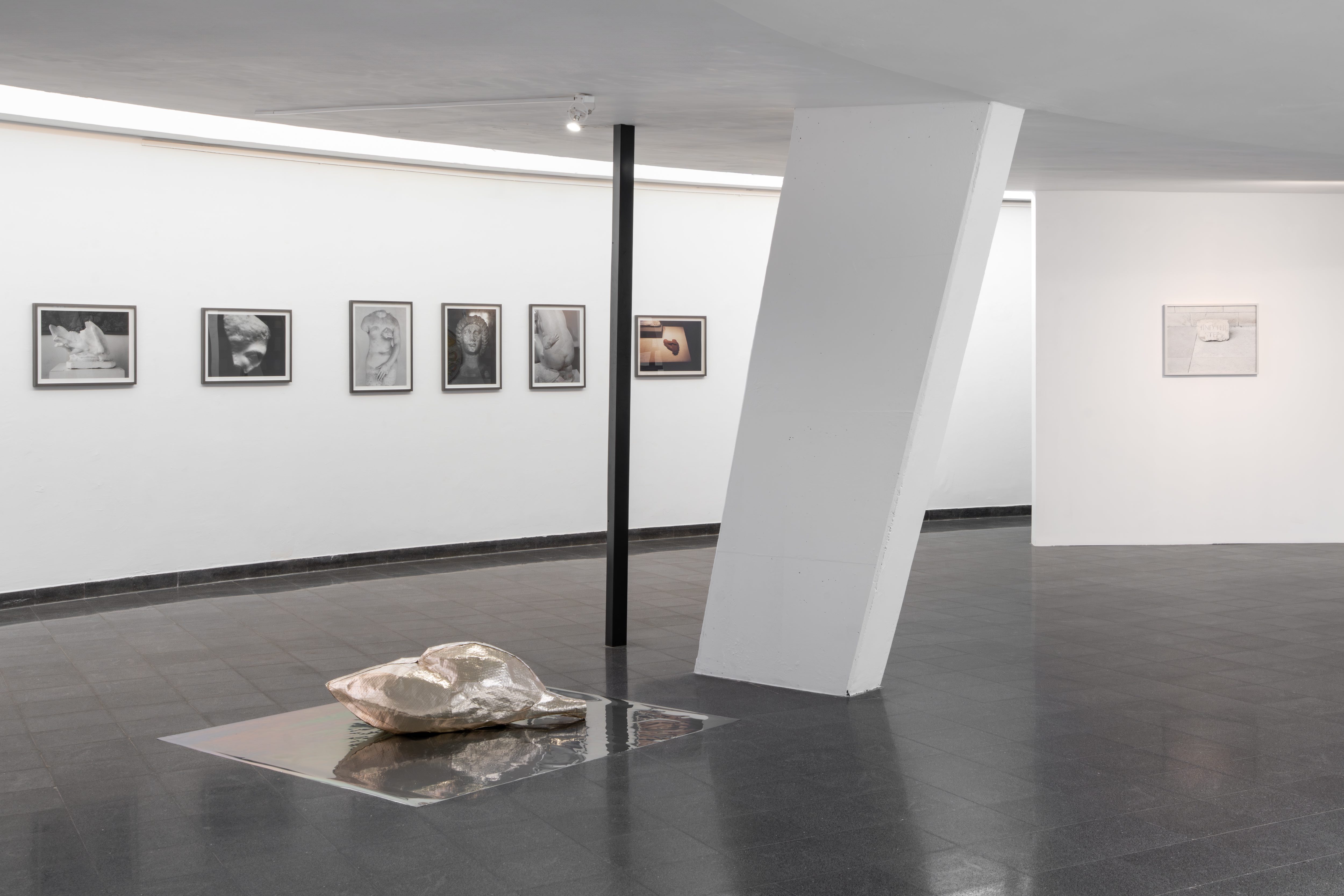
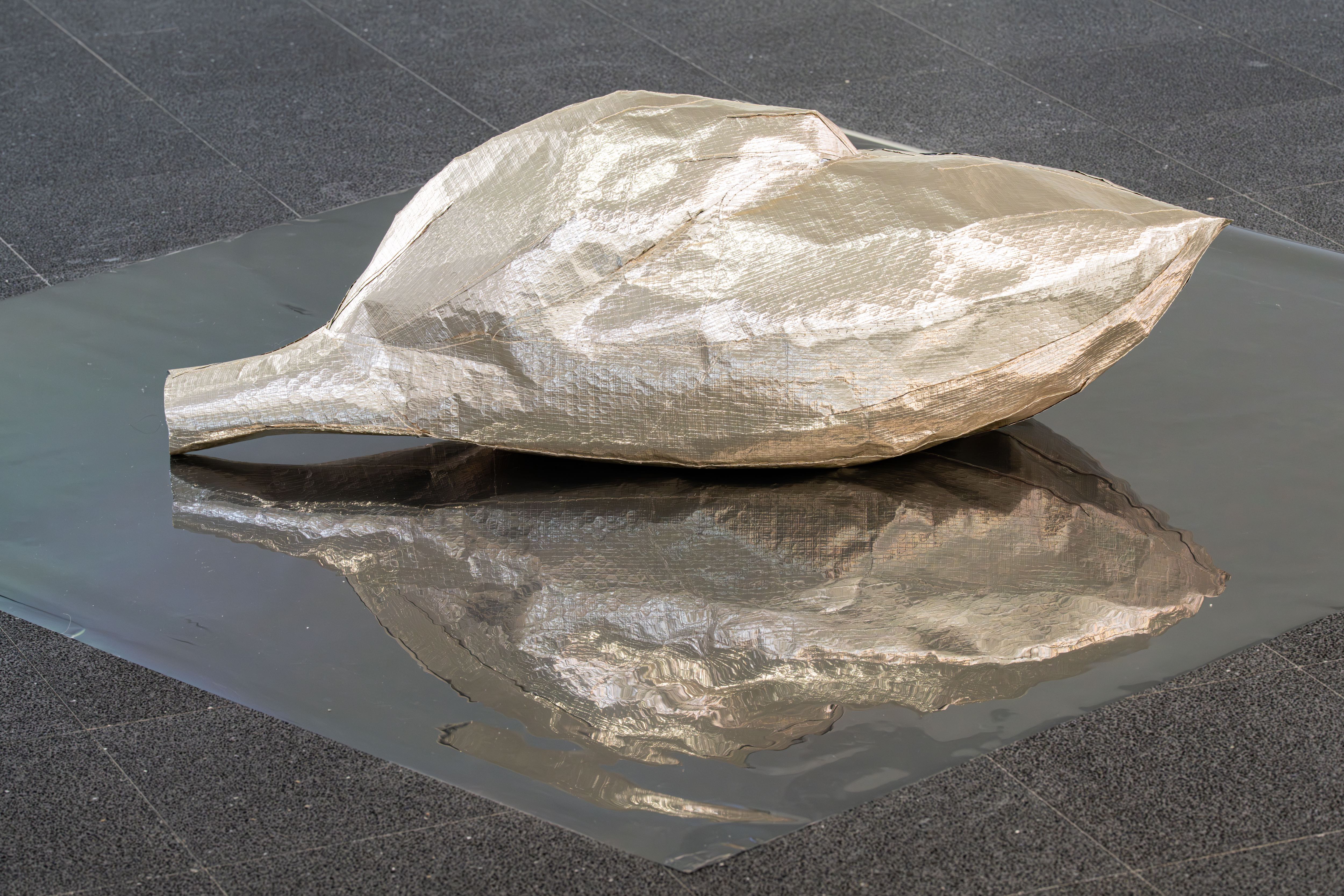
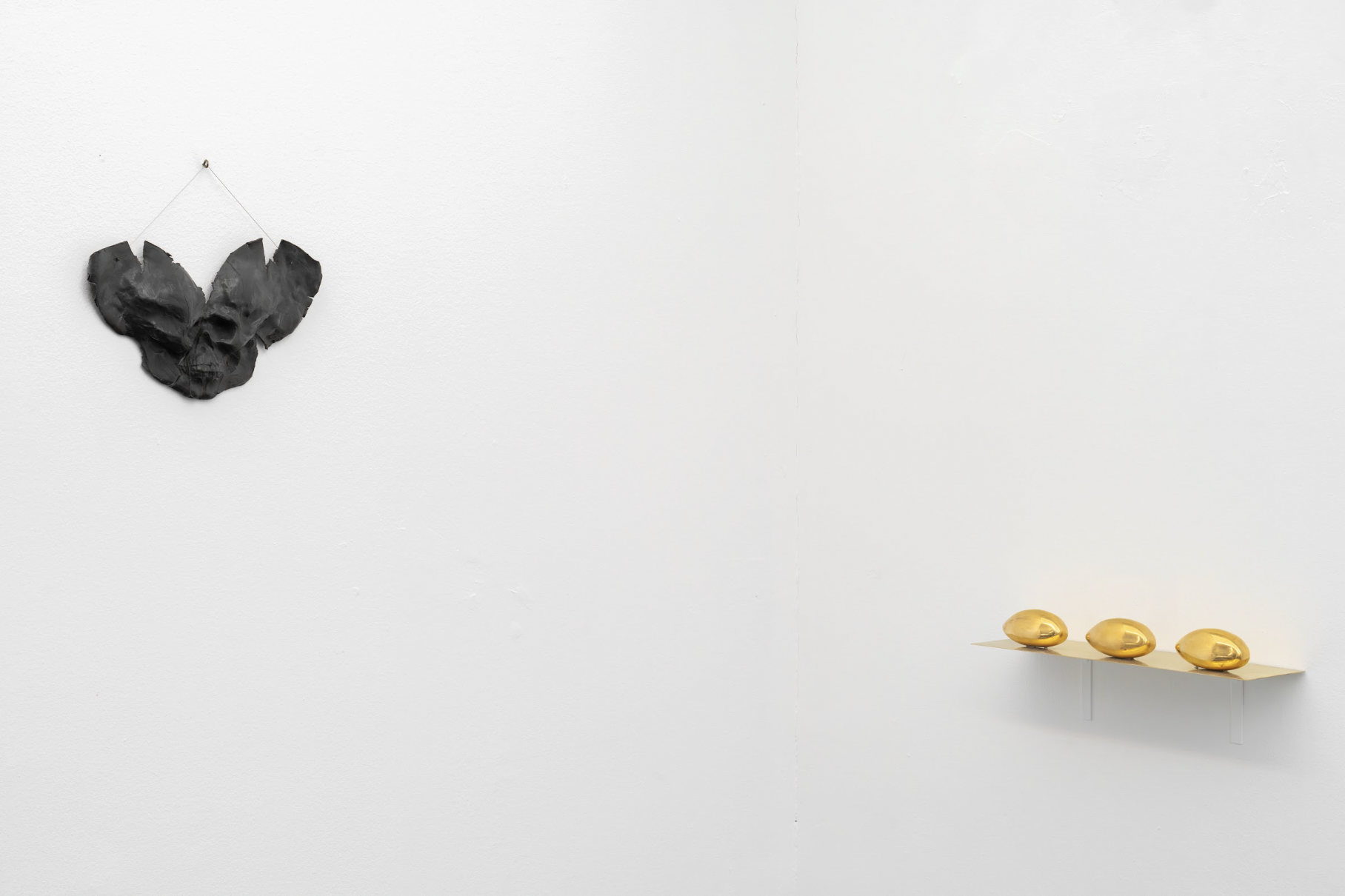
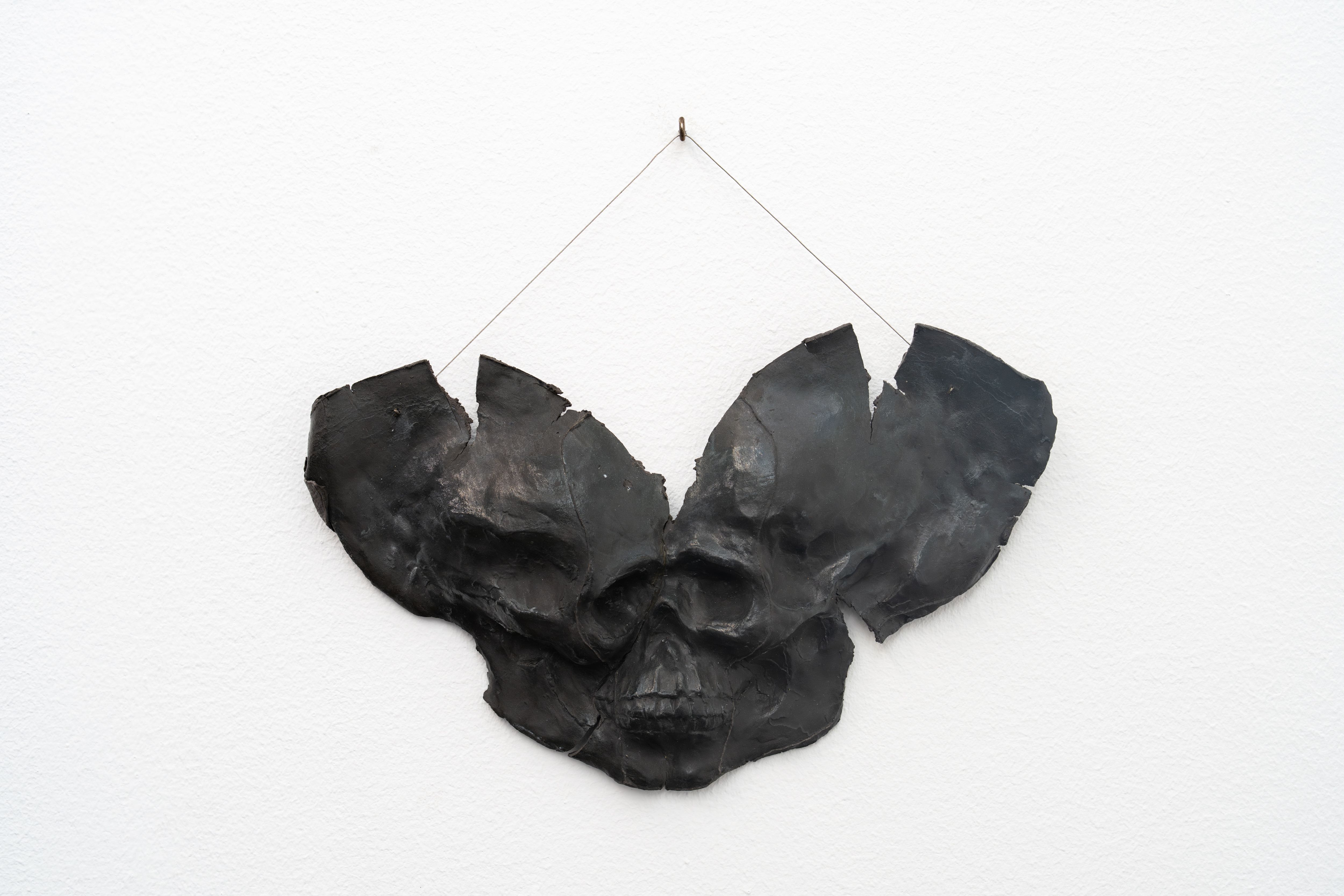
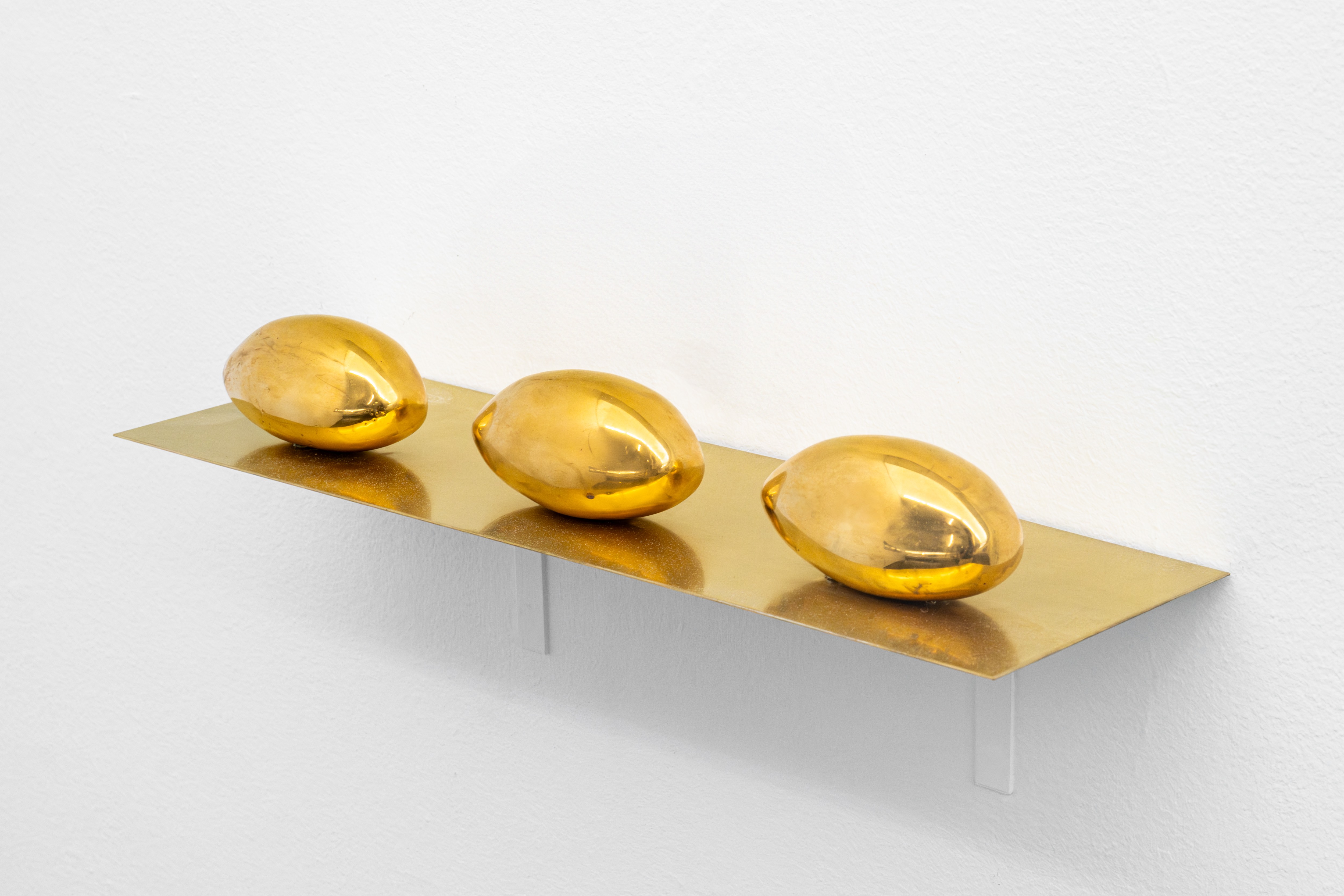
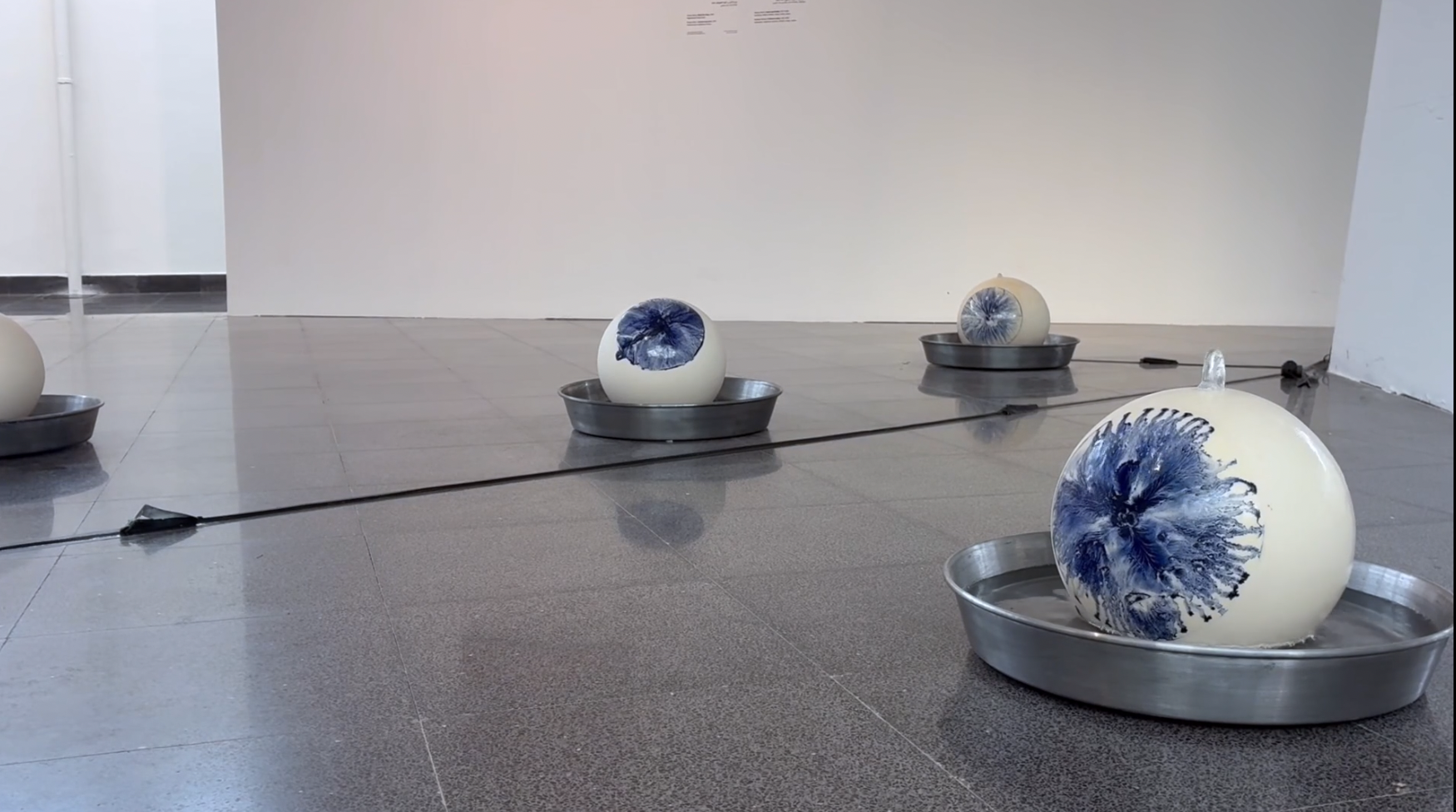

The exhibition Panorama: The Sphere of the Atlas ( curator: Orit Bulgaru) offers two complementary perspectives: The first is a historical perspective on a selection of panels from the Bilderatlas Mnemosyne (Mnemosyne Atlas), the research project of the German-Jewish scholar Aby Warburg (1866–1929), which took shape between 1927 and 1929. The second brings together artists working in Israel today with themes and images that emerge from the cultural memory preserved in the Atlas panels. In the Mnemosyne Atlas, named after Mnemosyne, the goddess of memory and mother of the Muses, Warburg maps the cultural memory of Western civilization. The Atlas consists of panels on which Warburg arranged drawings, newspaper clippings, manuscripts, and, above all, photographs depicting works of art, tarot cards, archaeological finds and objects, diagrams, and illustrations. These appear on the panels not as a linear narrative but as an open network of connections, repetitions, and echoes that awaken the image from its slumber. Through the panels, the tension between rational order and the forces of magic, myth, and imagination, energy and desire, as well as between the ancient world and Renaissance culture, comes to light. This is an experimental and cumulative undertaking, archaeological and curatorial in character, through which Warburg sought to demonstrate the principle of the “surviving image,” the image that migrates across time, according to which the past is always present in the present. The exhibition proposes reading the Atlas from a local perspective: Warburg identified the ancient world of the Middle East and North Africa as the source of many Renaissance images. The selection of panels presented here was chosen from this perspective, bringing three central axes into focus: panorama, intercultural exchange, and the power of the image as an object that exerts influence and acts upon the world. In the circular Bat Yam Museum, the exhibition invites reflection on the panorama and its impossibility. Movement between images generates new visual configurations that coalesce and disintegrate in a kaleidoscopic motion. The title “Atlas” evokes the logic that governs the scientific atlas, yet what appears beneath it are fragments of a panorama: a fragmentary, random, and associative historiography that collapses in on itself. Exhibited at MOBY, Bat Yam, Israel. Photos credit: Daniel Hanoch
Panorama
Plaster, xerox, brass, ceramics, water pumps, water, aluminum, reflective PVA
Sizes vary
/
2026